
An interdisciplinary 2-credit course introducing the design and development of immersive VR experiences.
Project Overview
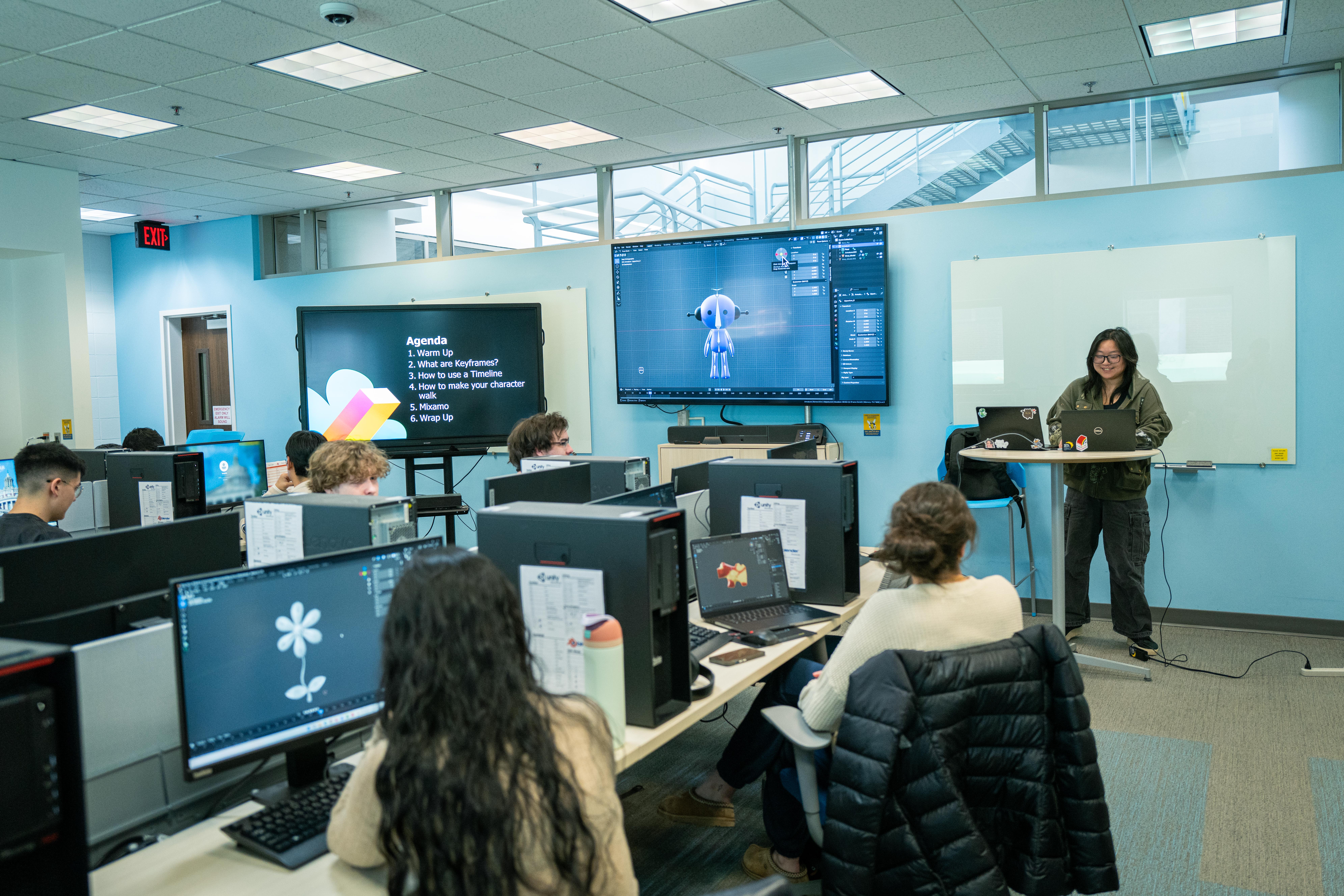
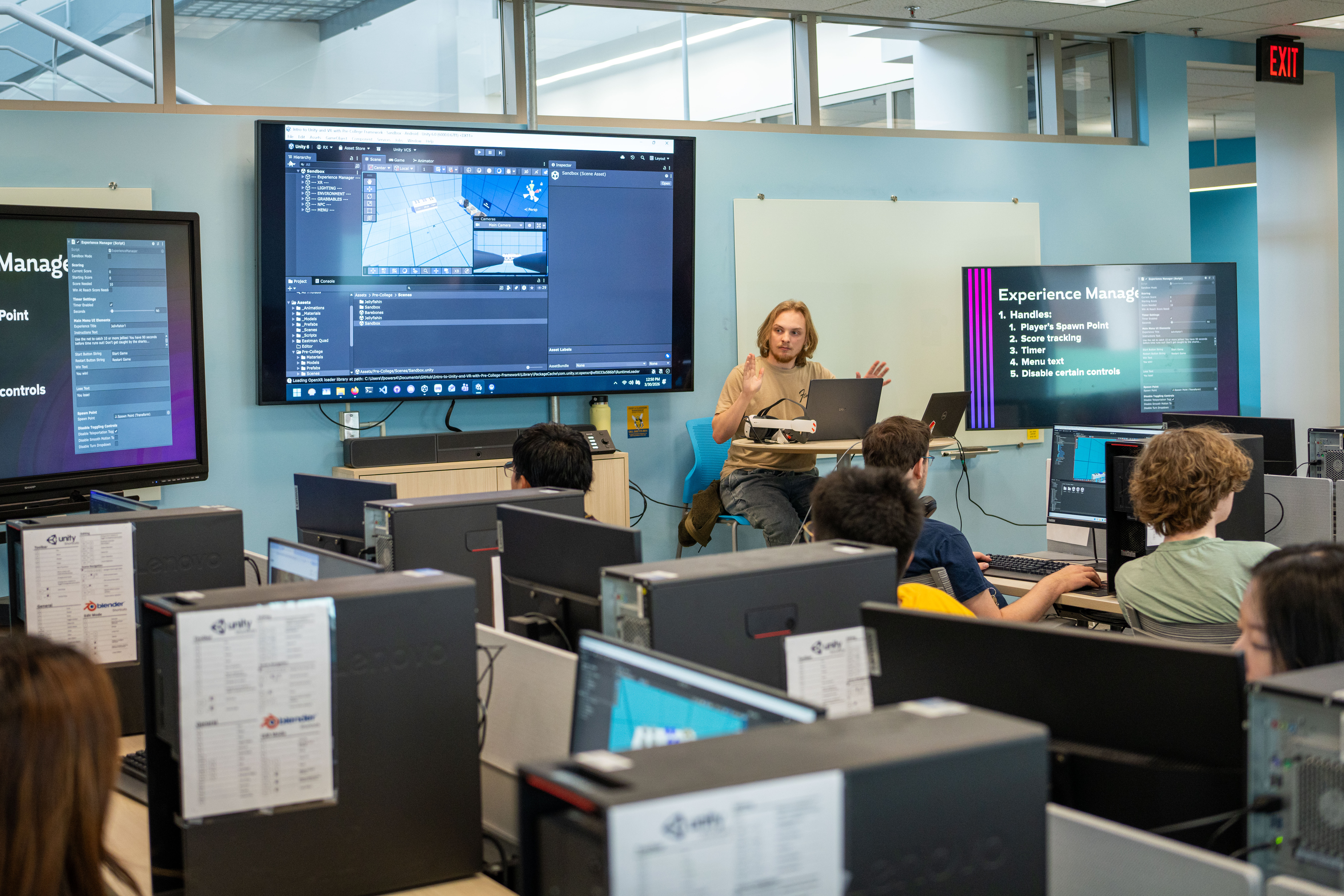
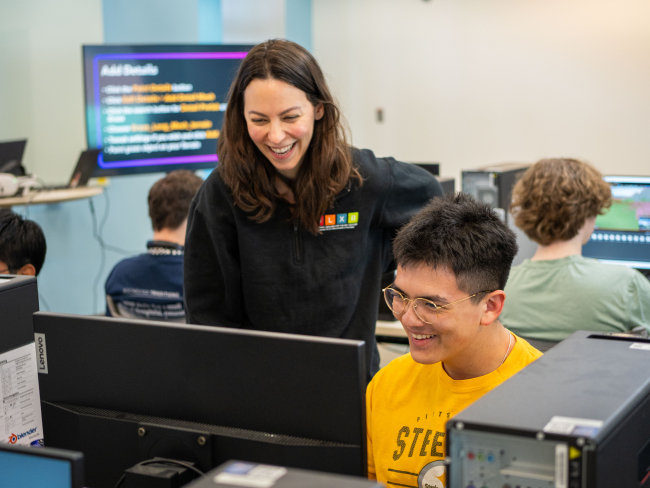
Intro to XR: Theory and Practice is a 2-credit interdisciplinary course developed by Studio X to make extended reality (XR) accessible to students of all majors. Through hands-on workshops, critical discussion, and peer feedback, students design and build their own VR experiences from concept to playable prototype.
XR is no longer limited to computer science or game development, it's increasingly used in storytelling, education, art, simulation, research, and cultural preservation. This course lowers the barrier to entry with structured support and beginner-friendly instruction, giving students the foundation to apply immersive technology across their own disciplines and projects.
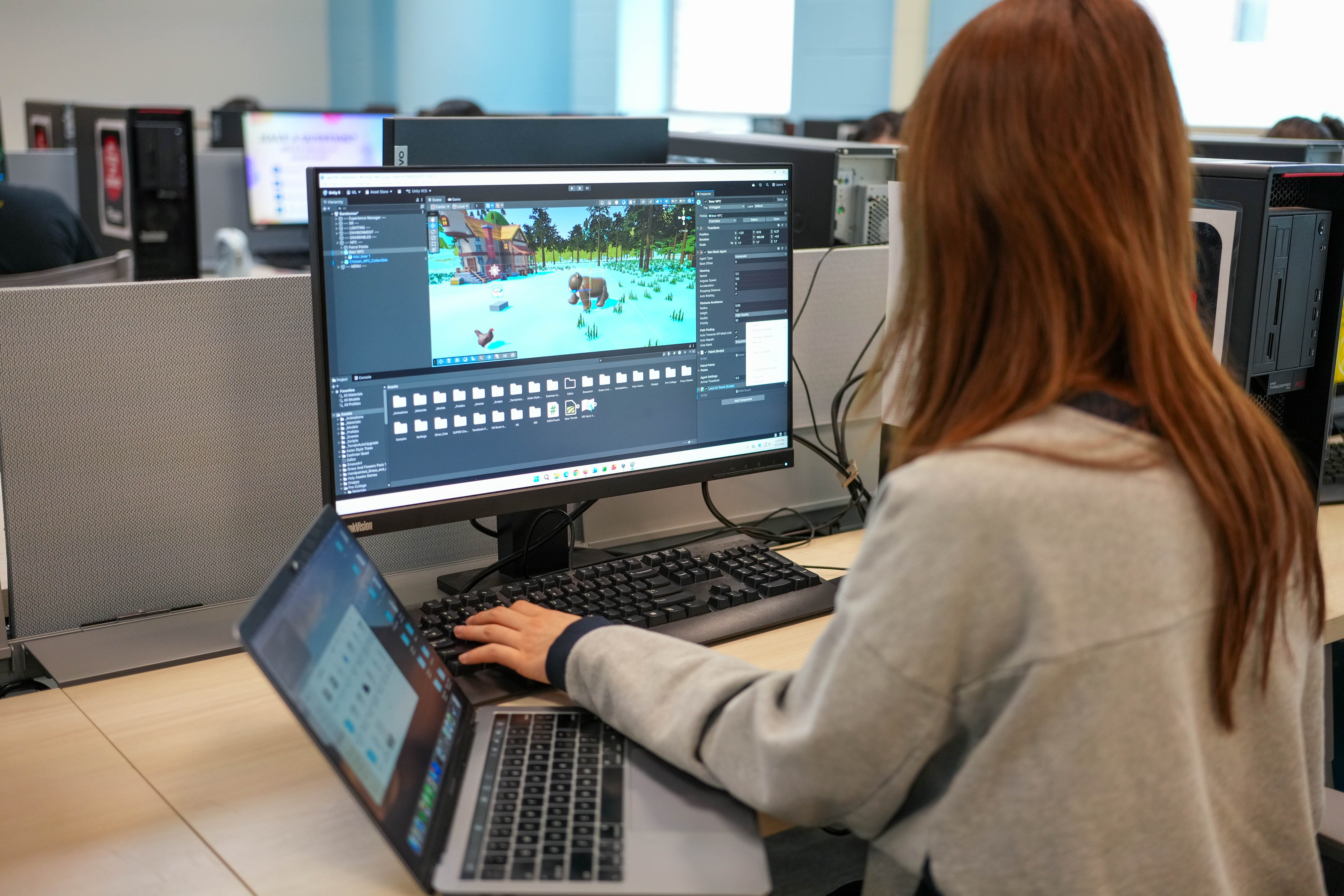
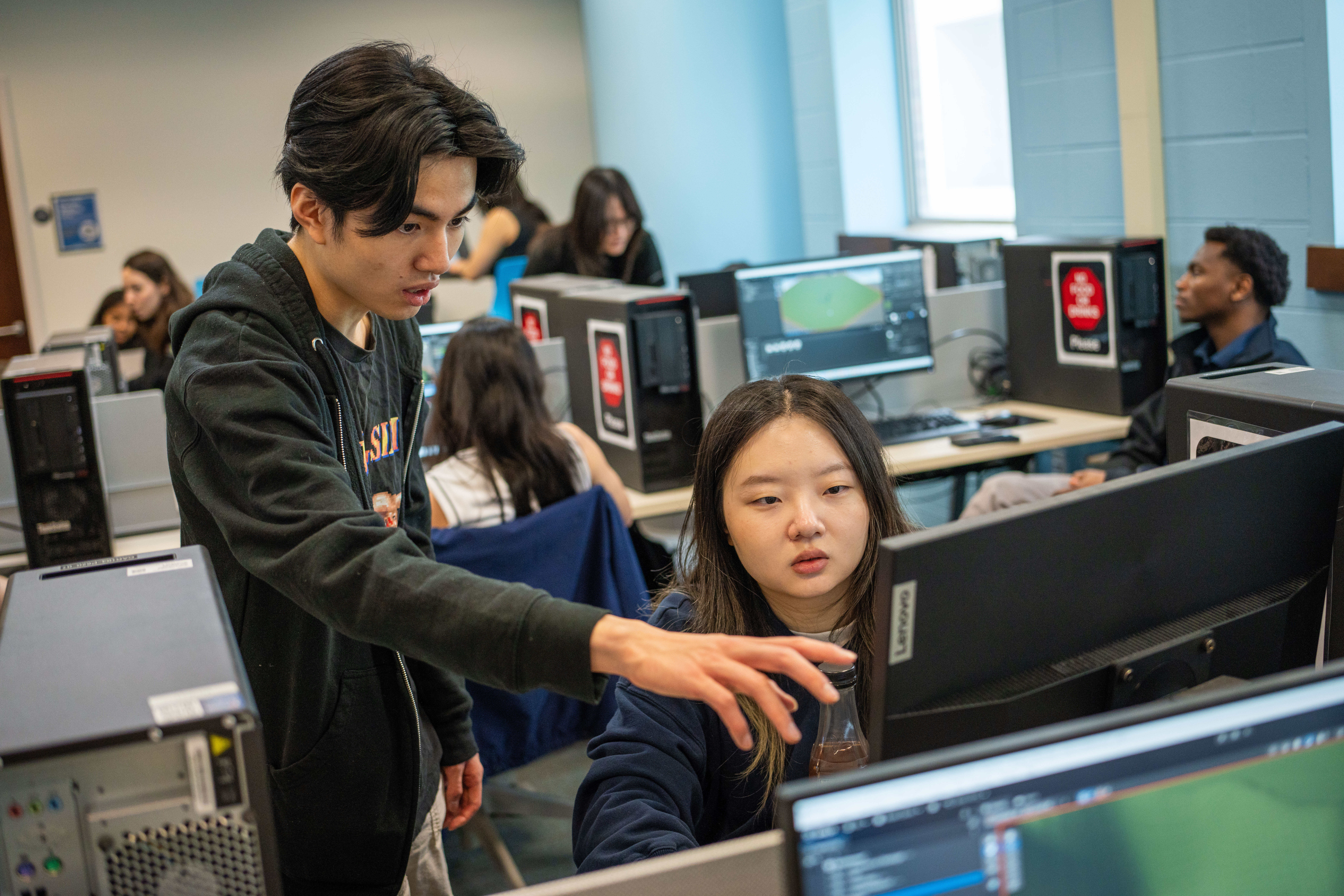
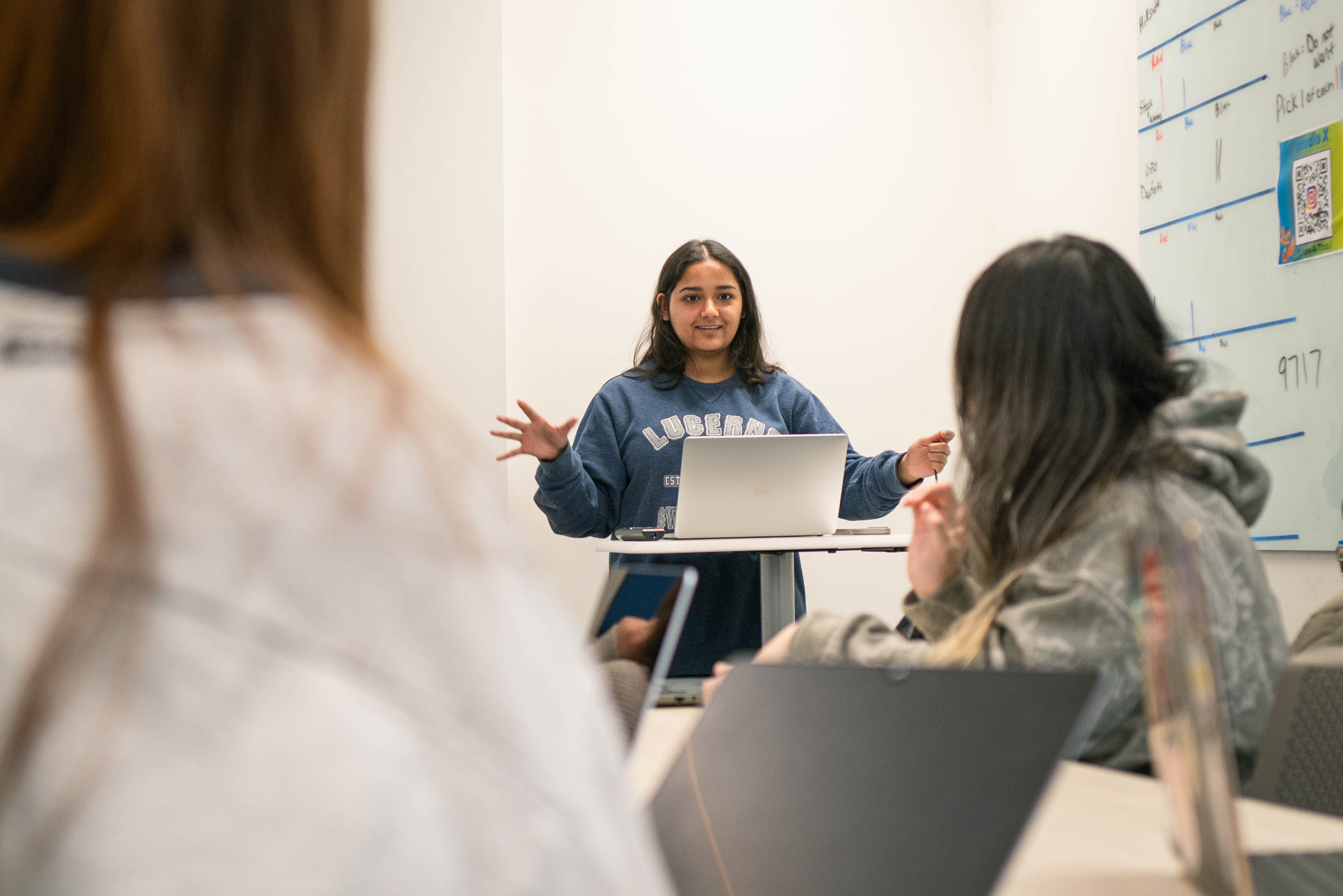
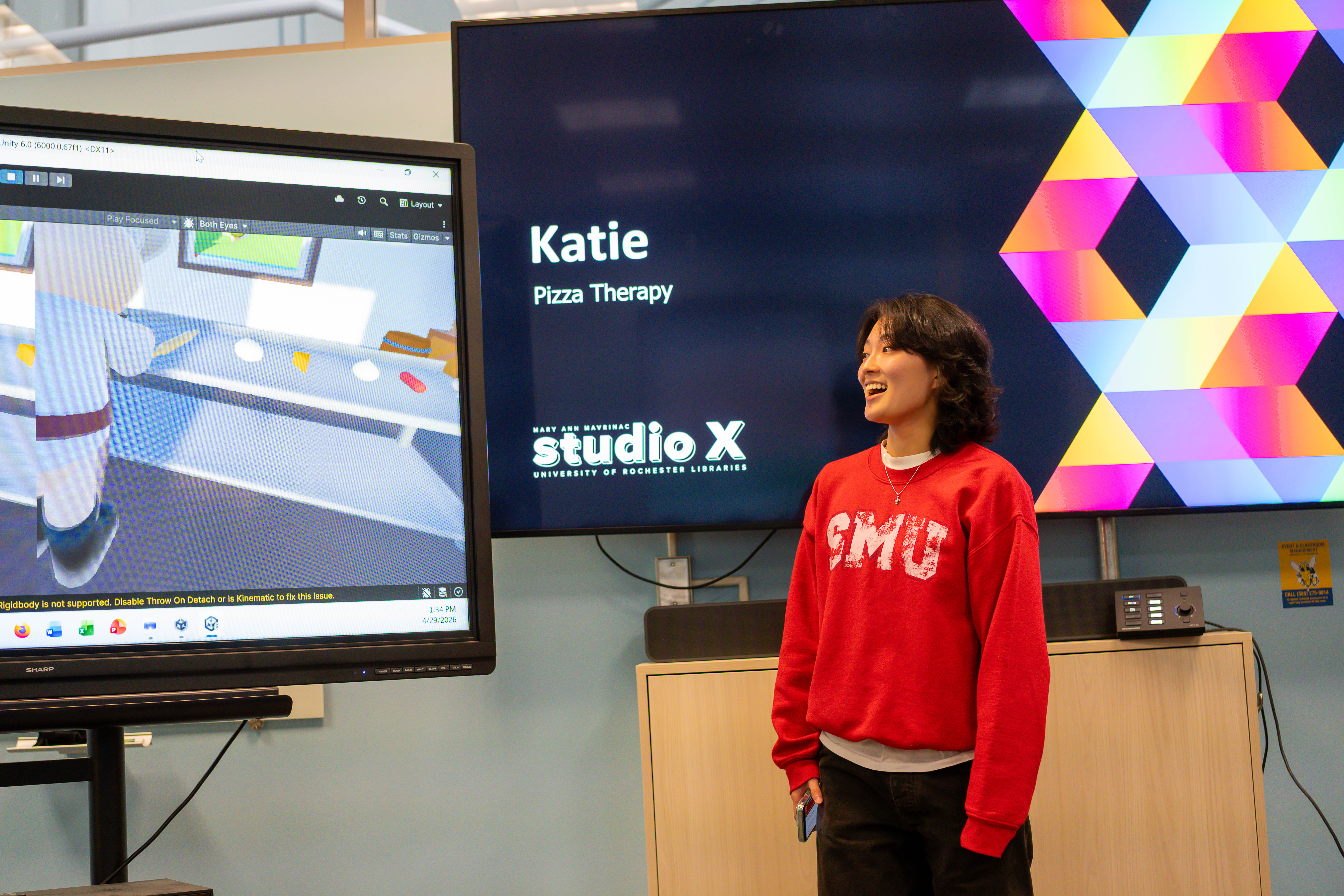
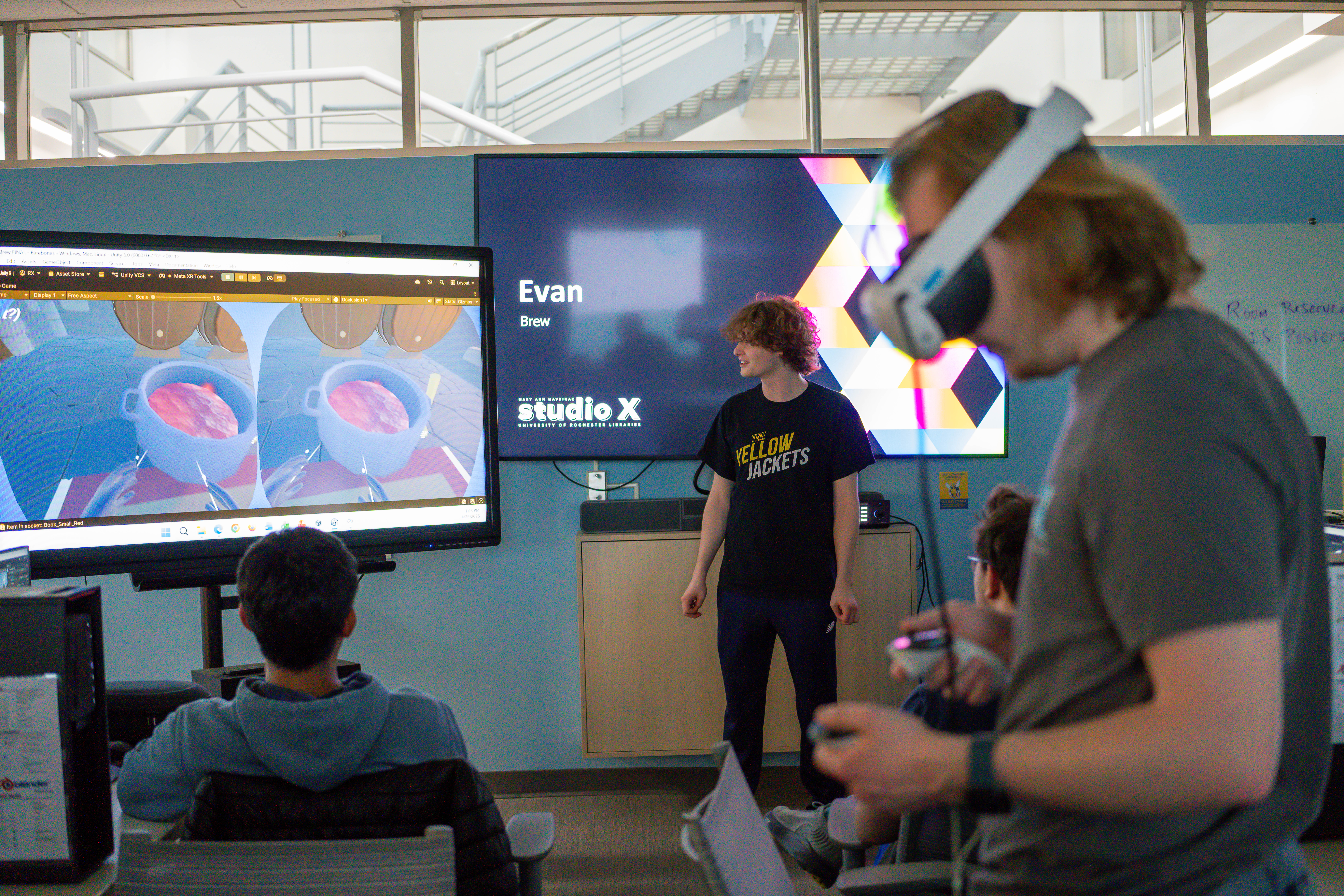
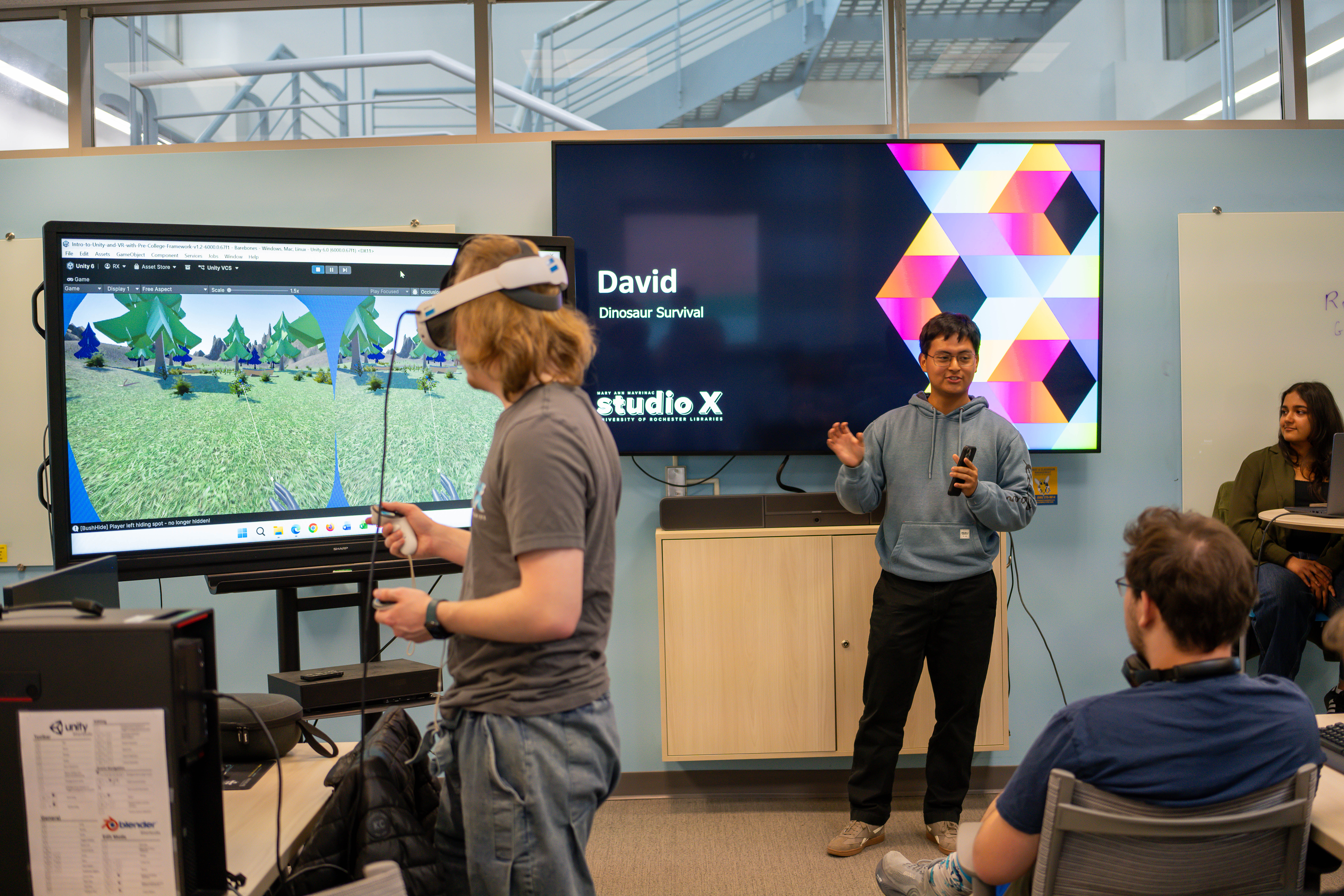
Over the semester, students learn 3D modeling and animation in Blender, environment building and gameplay programming in Unity, and apply user experience thinking to immersive systems. The curriculum was designed to support a wide range of projects beyond games, including narrative experiences, simulations, and educational tools reflecting each student’s unique ideas. The course culminates in a public showcase where students present their VR experiences and reflect on their design process.
Context
Studio X created this course in response to needs identified across the University: many students felt underprepared for upper-level XR coursework, while faculty and research labs expressed growing demand for students with foundational skills in XR. These findings are documented in Studio X’s Strategic Plan, which emphasizes accessible pathways into XR learning and interdisciplinary collaboration.
CASC 164 builds on Studio X's 2-week pre-college XR program, expanding it into a semester-long course for a university audience. By combining structured instruction with peer-led learning and community-building practices, the course creates a genuine entry point for students from any background to develop XR skills and build the ideas and projects that matter to them.
CASC 164 was adapted from the pre-college framework by Gayatri Shetty ’26 as part of the Karp Library Fellowship program. Gayatri led the course's development from redesigning the curriculum to including new workshops in Blender and Unity, building the syllabi and assignment rubrics, and actively recruiting students from diverse disciplines before delivering the course in Spring 2026.
Course Description
Explore the fundamentals of extended reality (XR), learning its history, applications, and future potential. Through hands-on workshops in Unity and Blender, you’ll learn the basics of 3D modeling, world building, and interactive design. Along the way, we’ll discuss critical topics like accessibility, ethics, and storytelling in XR. At the end of the semester, you’ll make a VR project to showcase your skills—no prior knowledge or equipment needed!
Course Objectives
- In this course, students will become familiar with XR terms, history, use cases, and critical issues, so they are informed users of the medium.
- They will also be provided with foundational technical skills in key extended reality technologies and will participate in hands-on Blender, Unity, and virtual reality hardware workshops
Learning Outcomes
By the end of this course, you will be able to:
- Describe key concepts in extended reality (XR), including its application, accessibility concerns, and ethical considerations.
- Design and document an original VR application by using design thinking to plan its concept, mechanics, and intended user experience.
- Create a custom animated 3D model in Blender.
- Build a VR environment in Unity that incorporates interactive elements and supports interactive mechanics.
Course Structure
Phase 1: Design Thinking and XR Theory
- Intro to XR
- Empathy & VR
- Design Thinking Workshop
Phase 2: 3D Creation with Blender
- Intro to Blender
- Mesh Workshop
- Materials Workshop
- Rigging Workshop
- Animating Workshop
Phase 3: World Building with Unity
- Intro to Unity
- Intro to C#
- Intro to Unity & VR
- Intro to C# for Unity & VR
- Environmental Design
Phase 4: Final Deliverable
- Fully playable VR experience
- Public Showcase / Presentation


Collaborators
Leadership
- Meg Moody
- Aleem Griffiths
- Fenway Powers
- Joe Zelazny
- Yvie Zhang
Student Staff
- Gayatri Shetty
- Emily Lin
- Caroline Li
- Daniel Lin
- Tianyu Zhang

