
An interactive educational tool for improving awareness and understanding of congenital heart defects through immersive 3D visualization
About the Project
URochester HeartQuest is an educational virtual reality (VR) experience developed in collaboration with the University of Rochester Medical Center (URMC), Division of Pediatric Cardiology. The project was created to support patient education, public outreach, and medical learning by making congenital heart defects easier to understand through immersive visualization and interaction.
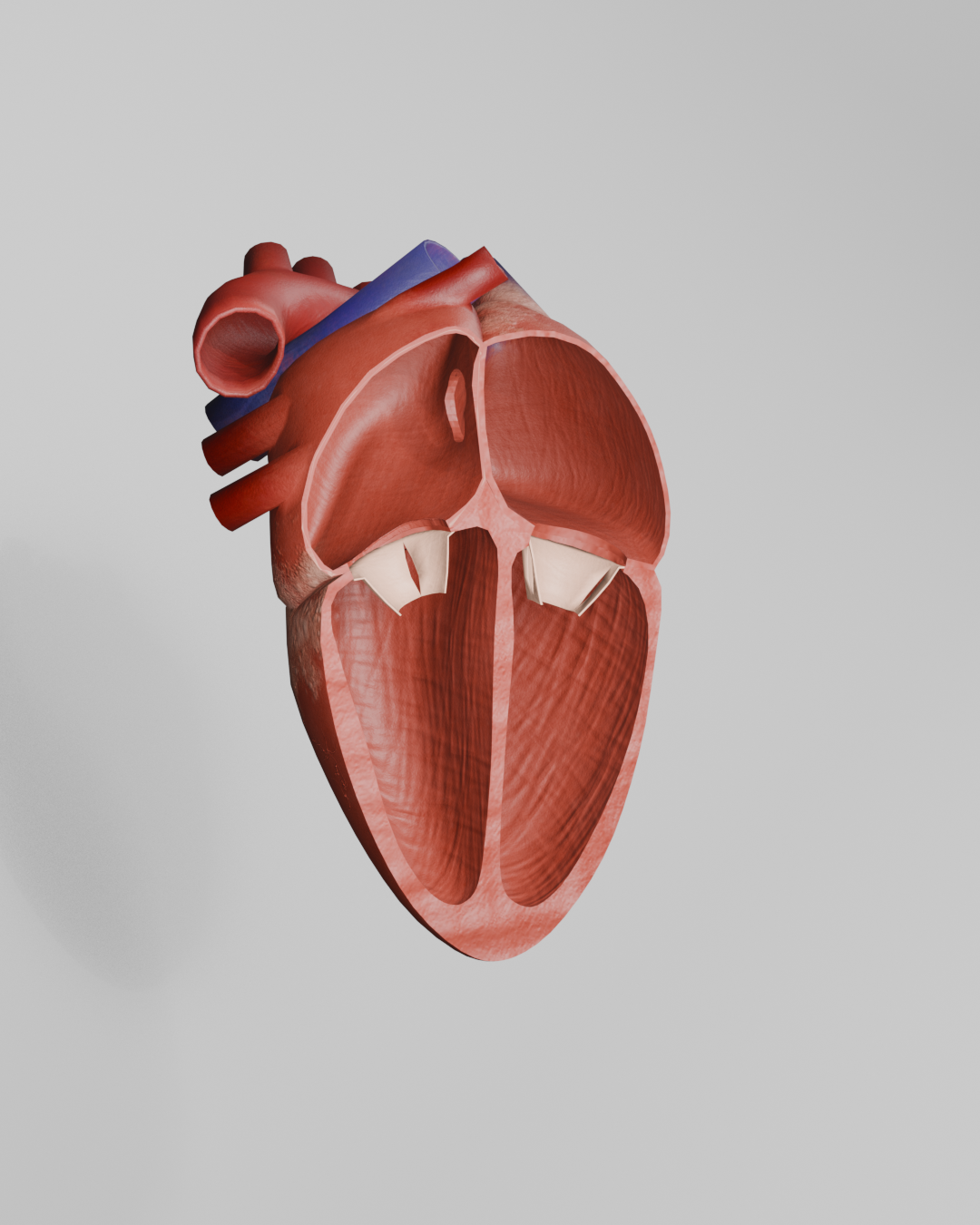
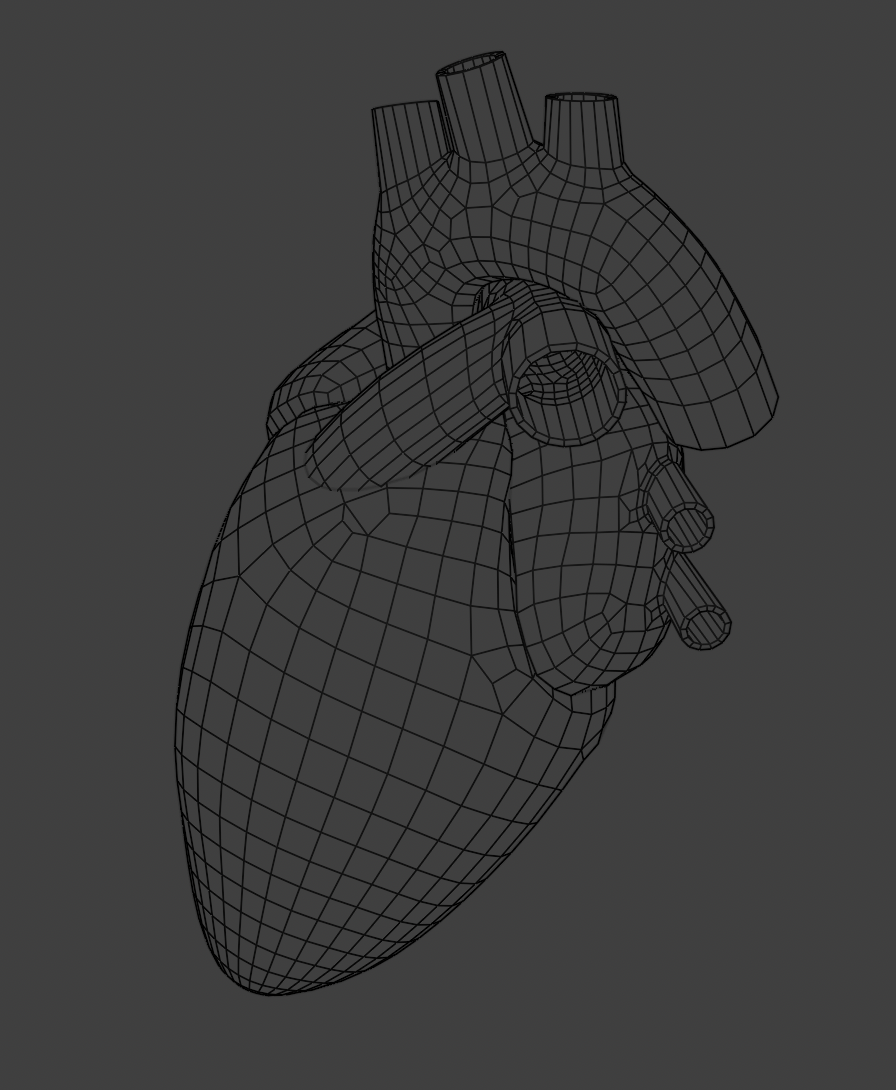
Congenital heart defects (CHDs) are complex structural abnormalities that are often difficult to communicate using traditional educational methods such as diagrams, textbooks, or physical models. HeartQuest bridges this gap by transforming medical imaging and anatomical information into interactive 3D experiences that allow users to explore the heart in ways that are not possible with conventional learning materials.
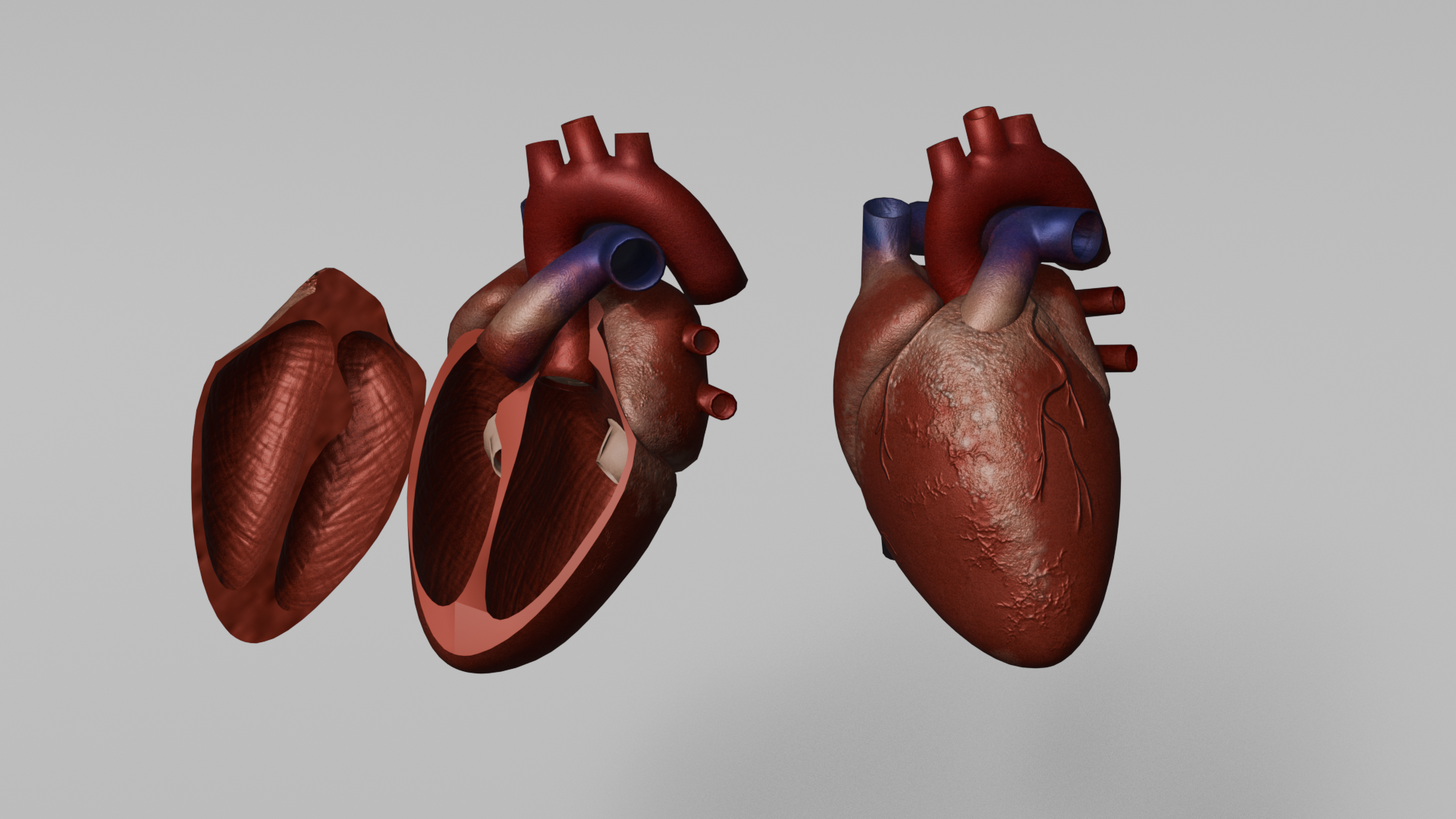
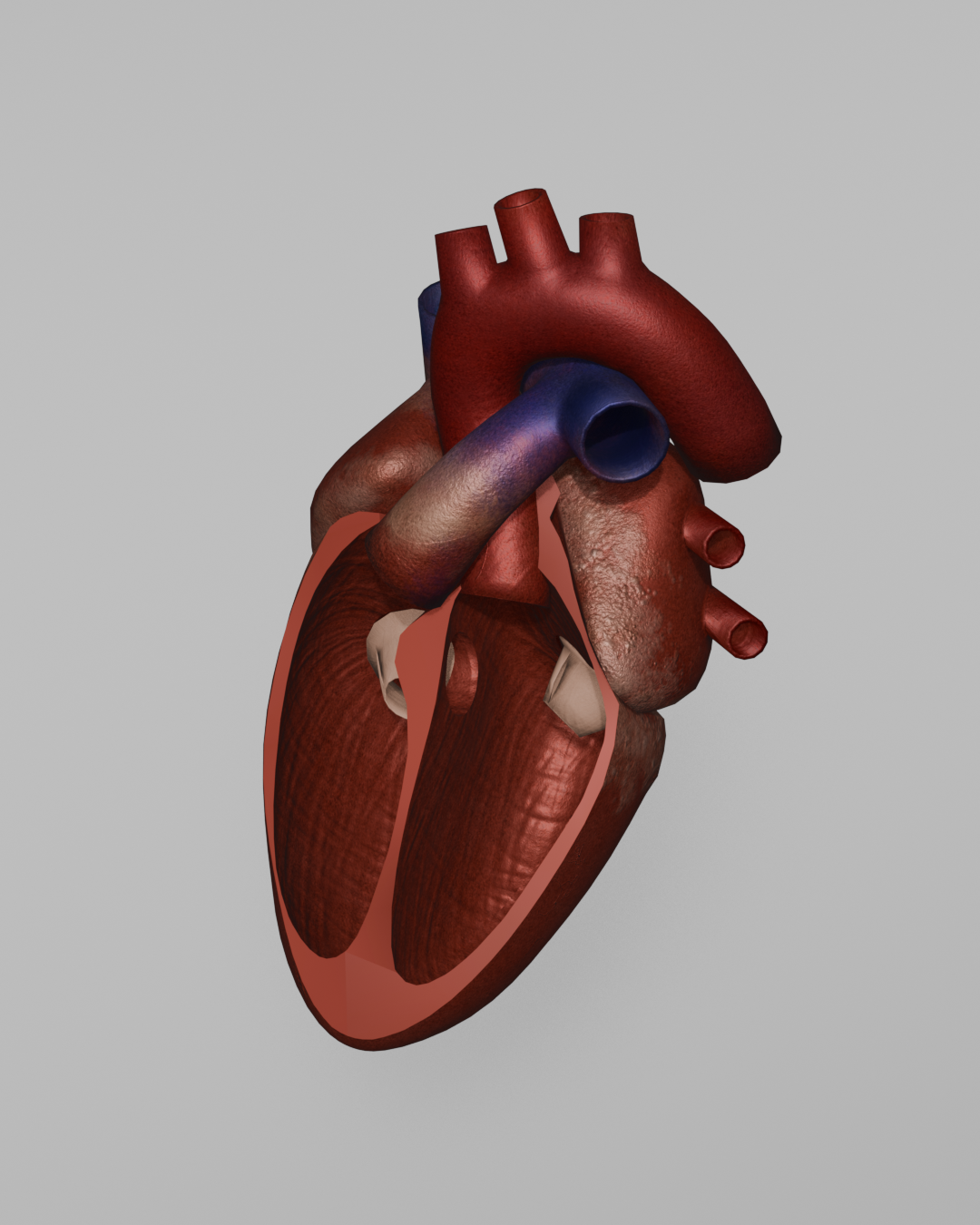
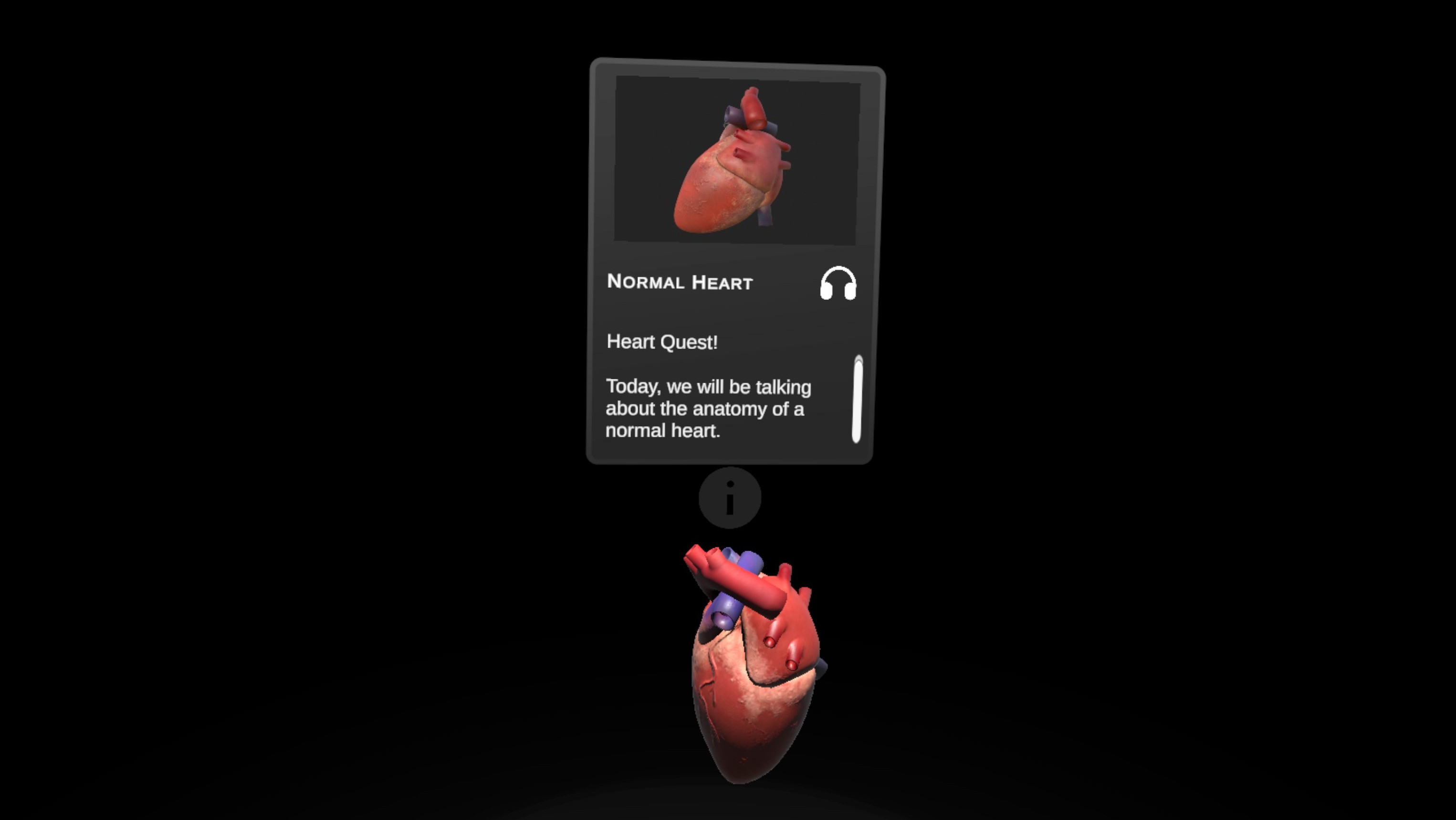
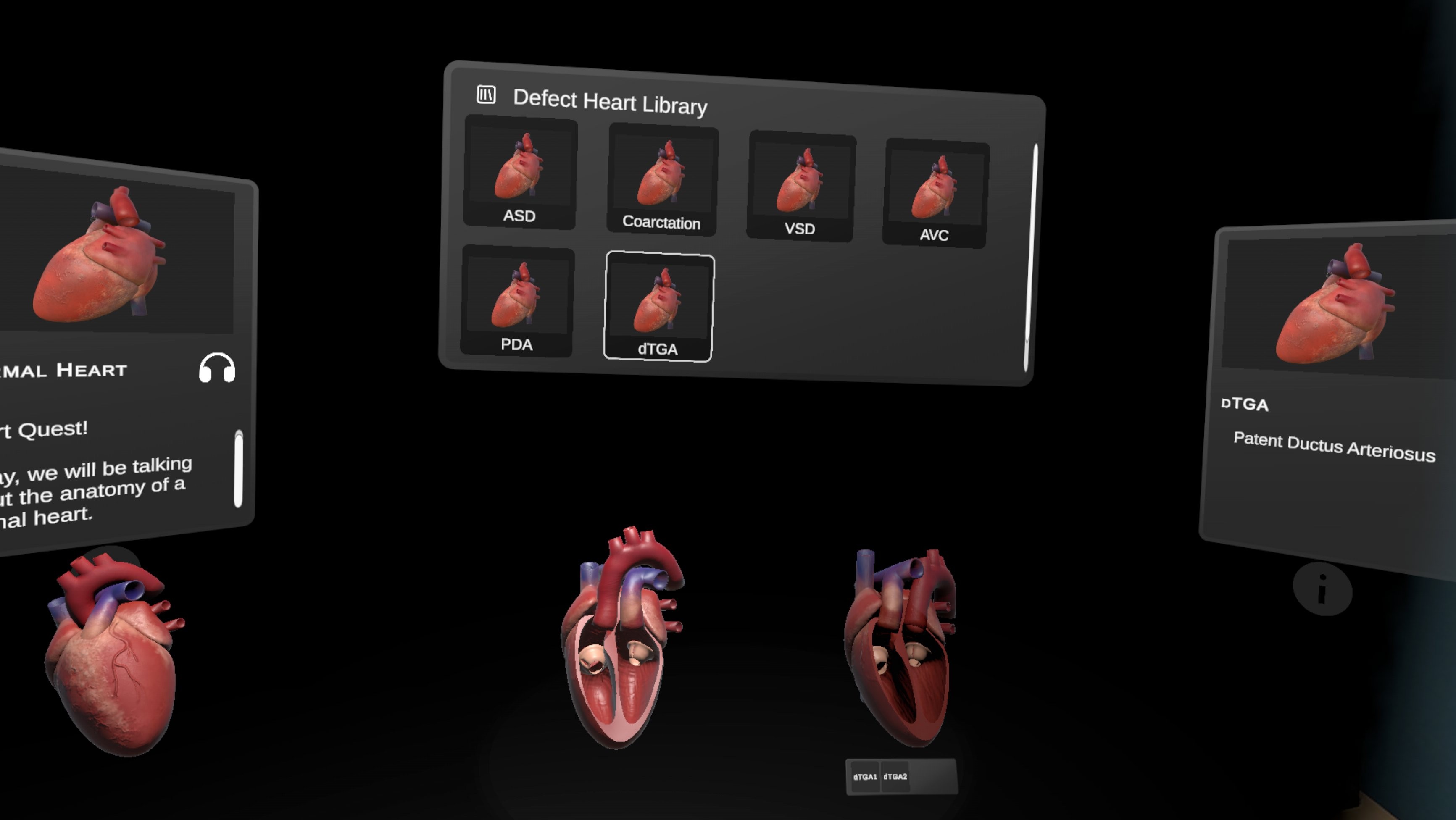
Designed for patients, families, students, and members of the public with little or no medical background, the experience enables users to actively investigate different CHDs rather than simply viewing static images. Users can select from a range of CHDs and explore anatomically accurate heart models using intuitive VR interactions. The experience allows users to scale and manipulate the models, split the heart open to examine internal structures, and listen to accompanying audio explanations describing each condition. By comparing a healthy heart, the selected defect, and its corresponding surgical correction side by side, users gain a clearer understanding of the anatomical differences, the impact of each defect, and the surgical techniques used to treat them.
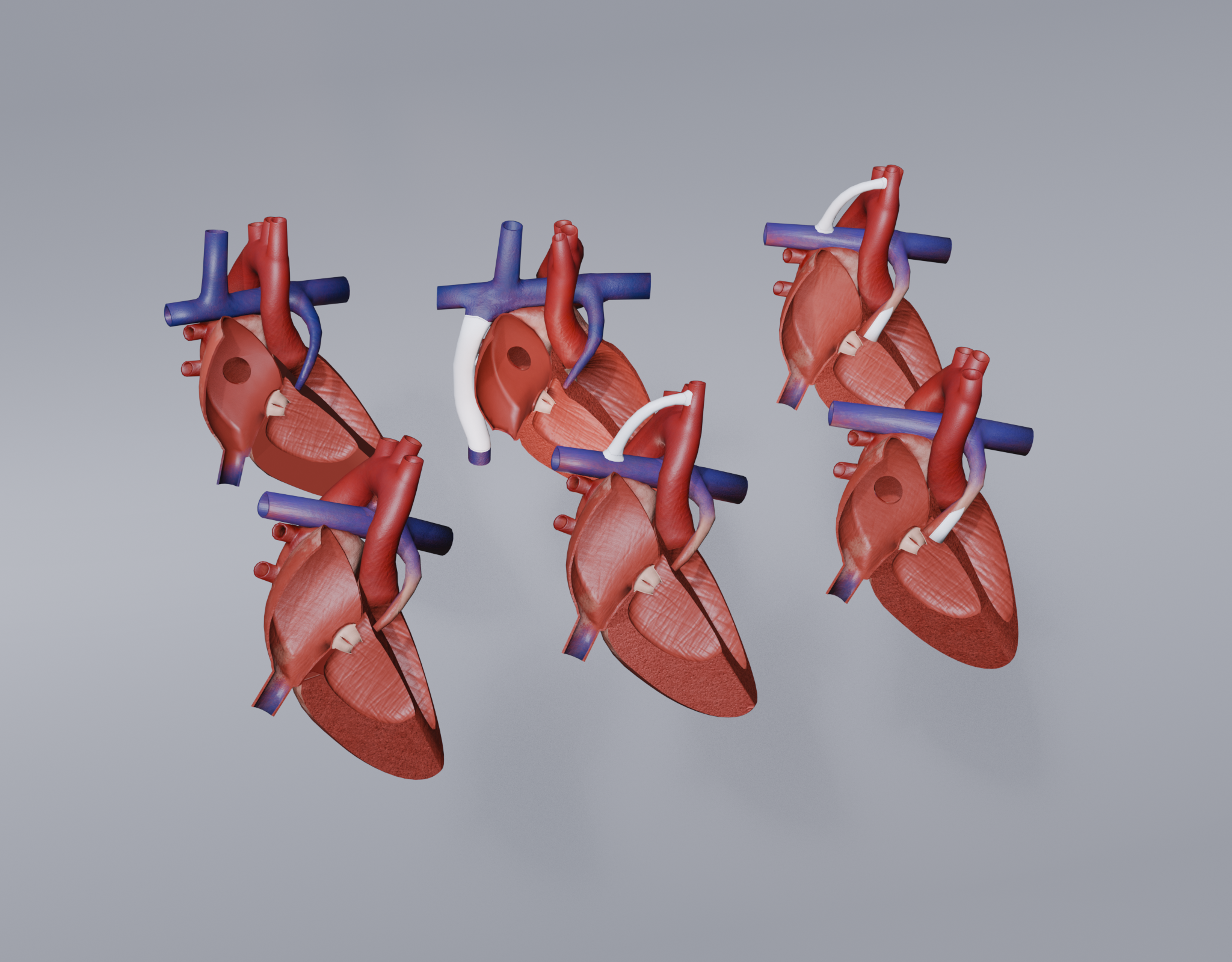
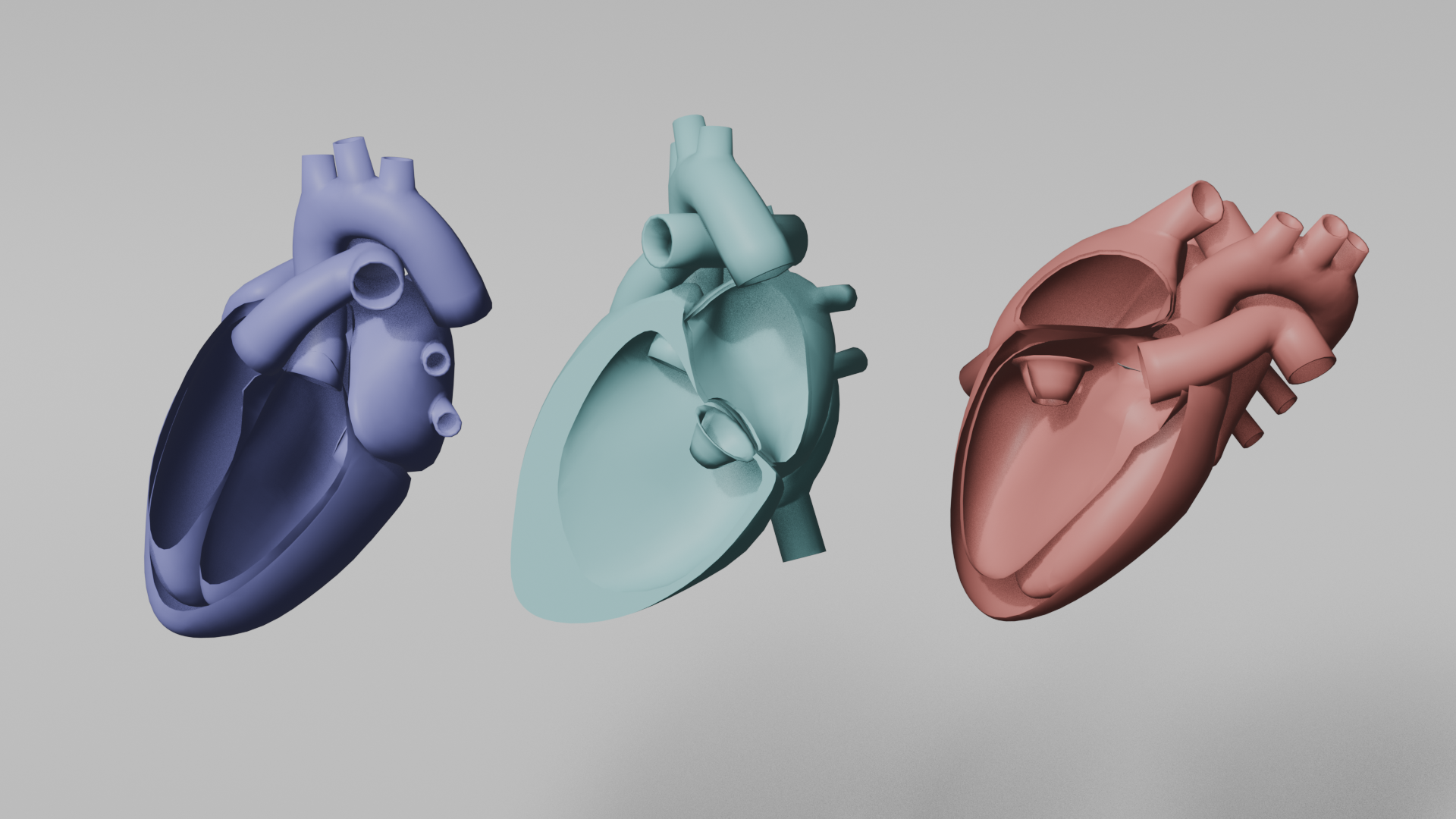
To reinforce learning, HeartQuest presents three models simultaneously — a healthy heart, the selected congenital heart defect, and its surgical repair — allowing users to directly compare normal anatomy with pathological changes and visualize how surgeons restore normal blood flow. This comparative approach helps users better understand not only what each defect is, but why surgical intervention is necessary and how the repair addresses the underlying anatomical problem.
By combining immersive visualization, interactive exploration, and guided educational content, URochester HeartQuest provides an engaging and accessible learning experience that can support conversations between clinicians and patients while also increasing awareness of CHD within the broader community
HeartQuest aims to make complex cardiac anatomy more accessible for education, patient awareness, and public outreach through interactive learning.
Key Features
- Interactive Models: Users can rotate, scale, and split anatomically accurate heart models to examine both external and internal cardiac structures, making complex anatomy easier to understand than with traditional 2D diagrams.
- Side-by-Side Comparison: The experience displays a healthy heart, the selected congenital heart defect, and its corresponding surgical repair simultaneously, allowing users to clearly visualize anatomical differences and understand how each defect is corrected.
- Integrated Audio: Each heart defect includes narrated explanations that describe the condition and the corresponding surgical fix, which enhances user understanding of the hearts.
Why explore congenital heart defects in VR?
Congenital heart defects are the most common type of birth defect, affecting nearly 1% of newborns worldwide. Despite their prevalence, the complex three-dimensional structure of the heart makes these conditions difficult to explain using traditional educational materials such as textbooks, diagrams, or static 3D models. This can make it challenging for patients, families, and students to fully understand how a defect changes the heart’s anatomy and how surgical procedures correct it.
URochester HeartQuest addresses this challenge by using VR to provide an immersive, interactive learning experience. By allowing users to manipulate heart models, examine internal and external anatomy, and compare healthy, defective, and surgically corrected hearts side by side, the experience transforms complex medical concepts into intuitive visual interactions. The project aims to improve accessibility to cardiac education, increase awareness of congenital heart disease, and support more engaging learning for both medical and non-medical audiences.
Next Steps
The current version of URochester HeartQuest includes 7 congenital heart defects represented across 20 anatomically accurate 3D models, including healthy, defective, and surgically repaired hearts. The next phase of the project will focus on user testing with Studio X participants and our collaborators at URMC to evaluate the experience’s usability, educational effectiveness, and overall user experience. Feedback gathered from these sessions will guide refinements to the interface, interactions, and educational content.
In addition to iterative improvements, we plan to develop a publicly accessible library of the interactive heart models so they can be used by educators, researchers, and healthcare professionals as standalone educational resources. We also aim to publish the complete URochester HeartQuest VR experience, making it available as an educational tool for patient education, classroom instruction, and community outreach. By increasing access to immersive cardiac visualization, the project has the potential to support broader understanding of congenital heart disease beyond its initial clinical setting.
Video Playthrough
