A cross-border collaboration that adapted Studio X's Rochester-based XR curriculum for students at a rural high school in Northern Ontario, Canada, combining a new local VR lab with remote mentorship and hands-on creative work.
About the Collaboration
What happens when an XR curriculum developed in Rochester travels more than 500 miles to a small high school in Northern Ontario, Canada? XR Pathways Across Borders is a collaboration between Mary Ann Mavrinac Studio X at the University of Rochester and the Greenhouse: Where People and Ideas Grow, an inclusive makerspace at Kirkland Lake District Composite School (KLDCS) serving a Northern Ontario community of approximately 7,800 people. The one-year pilot adapted Studio X’s pre-college XR curriculum, giving students the tools and support to move from exploring virtual reality (VR) to designing and building experiences of their own.
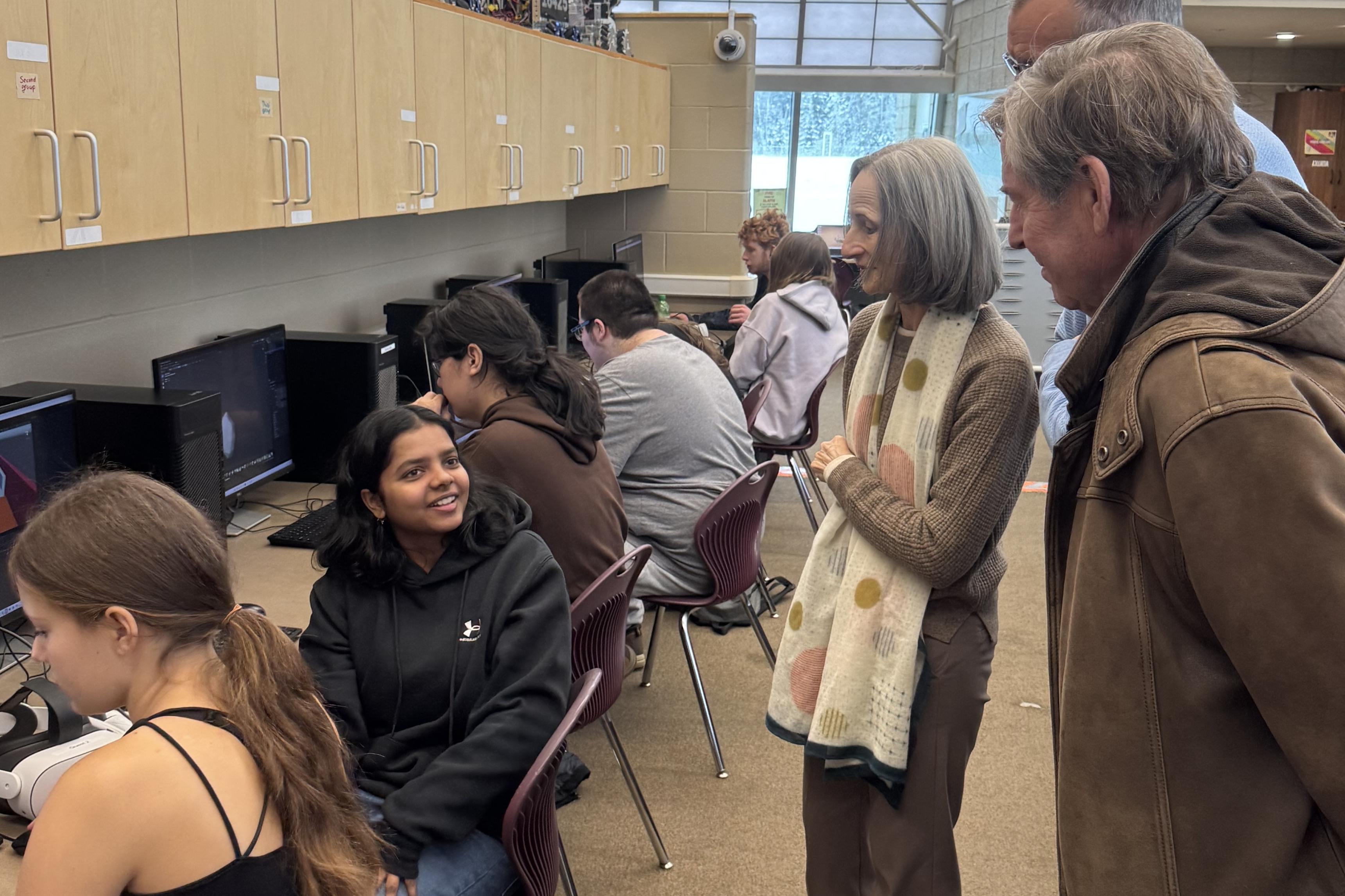
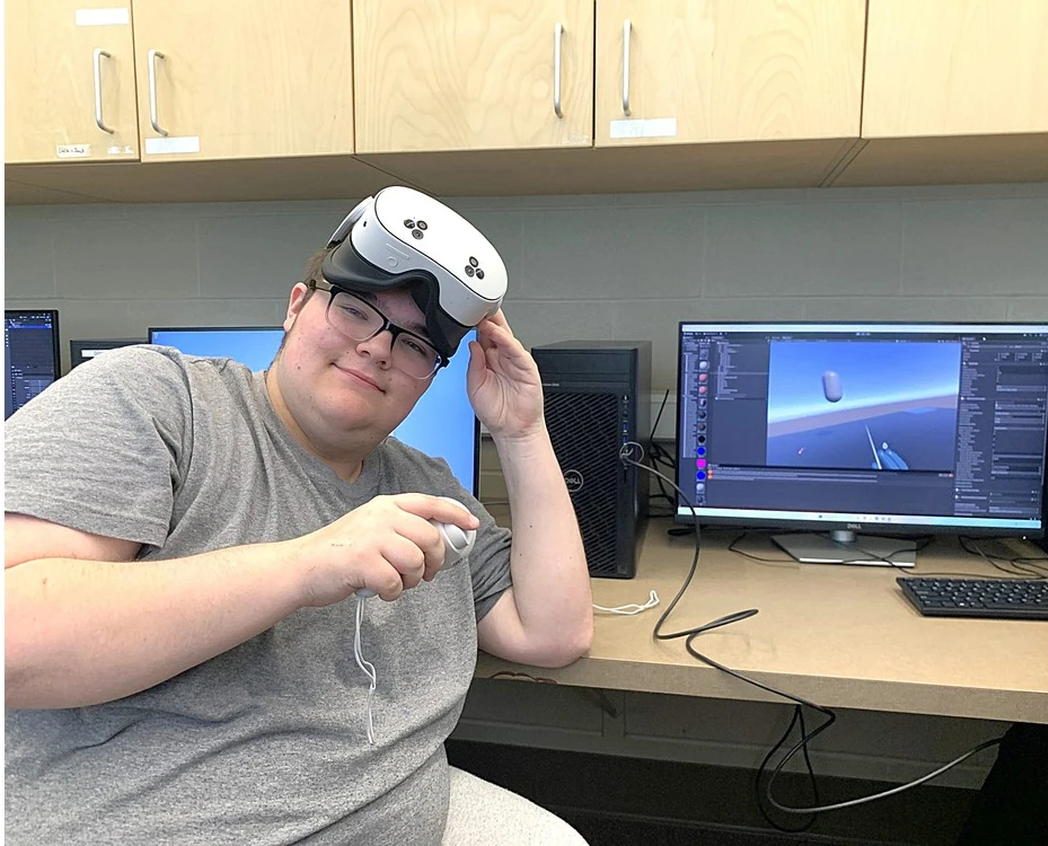
The work began by creating a place for XR learning. Equipped with VR headsets, high-performance workstations, and creative software, The Greenhouse established the region's first dedicated VR lab. Studio X advised on equipment, software, and lab setup, then reworked its hands-on curriculum for flexible virtual delivery across national and institutional boundaries.
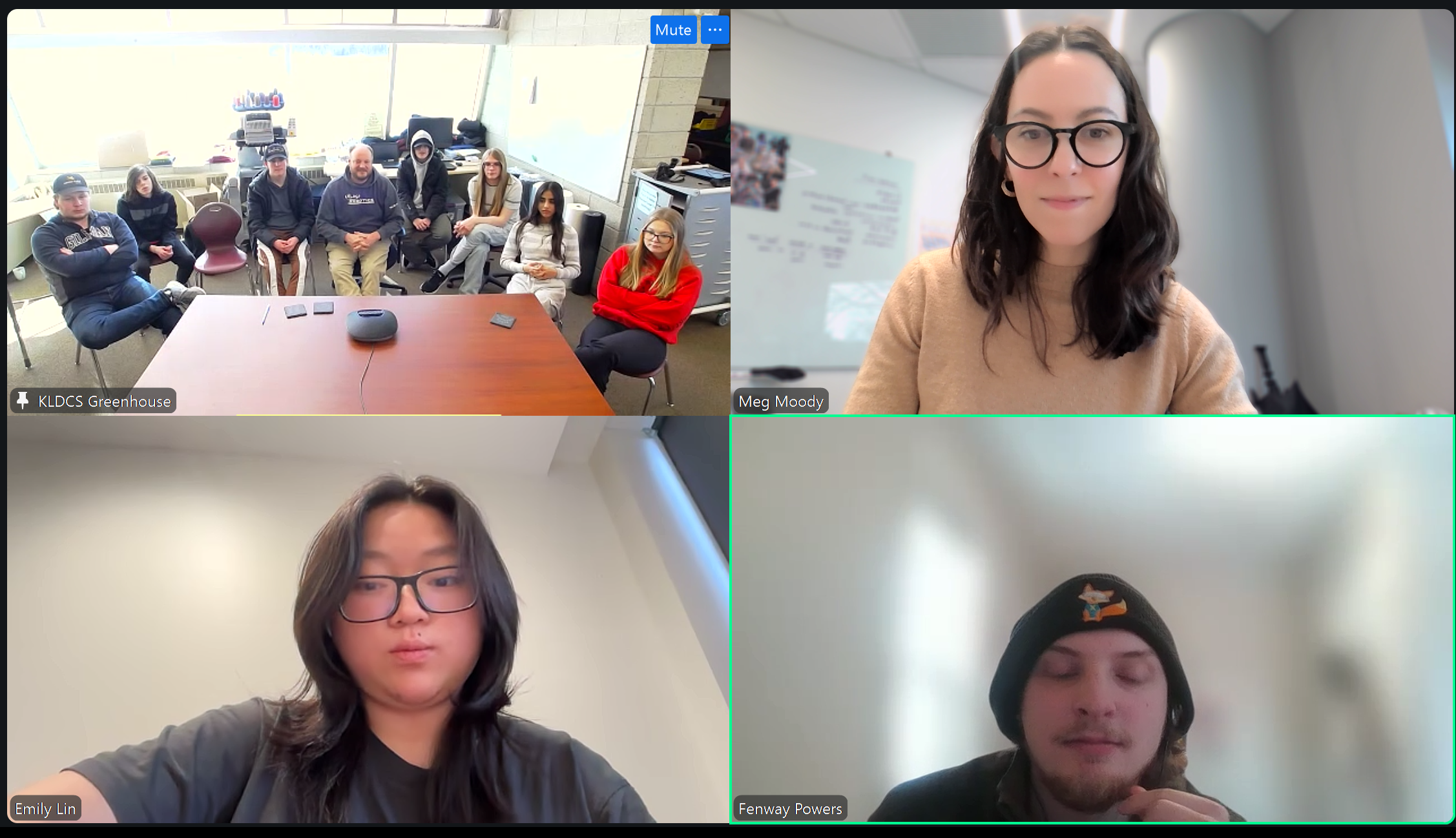
Over the pilot year, students followed two connected learning pathways: Unity and VR development led by Fenway Powers '25, and beginner-friendly 3D modeling in Blender led by Karp Library Fellow Emmie Lin '26. Recorded lessons, step-by-step guides, project files, and virtual instruction allowed students to revisit difficult skills and work at their own pace.
Distance did not mean students were learning alone. A dedicated Discord community gave them a place to ask questions, share works in progress, troubleshoot technical problems, and receive feedback from Studio X staff and student mentors. At KLDCS, Greenhouse lead teacher Dan Kurz and Greenhouse Scholar Luukas Mauno reinforced instruction and provided in-person support between virtual sessions. Together, the two teams created a learning experience that was both remote and genuinely hands-on.
What the Partnership Created
- A local XR learning environment: The new Greenhouse XR Lab gave KLDCS students access to the hardware and computing power needed to create and test immersive work in their own community.
- Two connected creative pathways: Students could develop interactive VR experiences in Unity while building the original 3D models and environments that brought their ideas to life in Blender.
- Resources designed for flexible learning: Quick-start guides, recorded tutorials, project files, and reusable learning materials made it easier for beginners to review lessons and keep working independently.
- Sustained mentorship: Virtual instruction and an ongoing Discord community connected students with Studio X staff and student experts for technical guidance, feedback, and encouragement.
- A cross-border teaching model: The pilot paired Studio X's curriculum and remote expertise with the Greenhouse's local knowledge, trusted relationships, and in-person troubleshooting.
What Students Learned
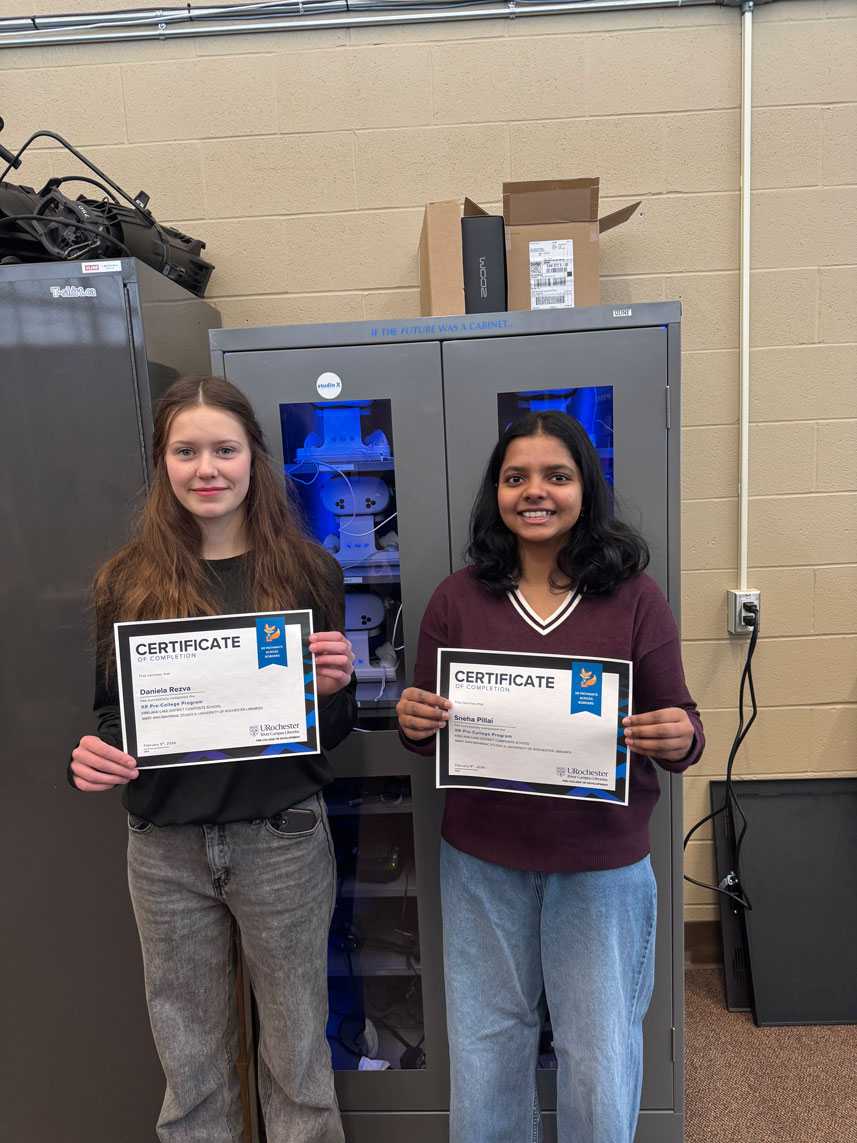
Eleven students completed the pilot, gaining practical experience in project planning, 3D modeling, interactive design, Unity development, and testing a VR experience. Just as importantly, they practiced persistence and creative problem-solving as they encountered technical roadblocks, sought feedback, revised their work, and carried an original idea from concept to completion.
Among students who completed the final assessment, 80% said the program met or exceeded their expectations, 60% reported significant growth in technical skills, 80% completed a fully functional XR experience, and 80% could envision pursuing a future in XR, technology, or creative media.
"I've wanted to make a game for a while, and this program gave me a reason to do it from start to finish."
-- XR Pathways Across Borders student
Why This Cross-Border Model Worked
XR gave students an immediate way to connect technical skills with something they could see, test, and share. Instead of only learning about immersive technology, they became creators, using the same tools as professional developers and designers to build their own virtual environments and interactive experiences.
The technology alone, however, was not enough. Studio X contributed a tested curriculum, specialized mentorship, and the experience of its student educators. The Greenhouse contributed a welcoming local space, strong relationships with students, and the ability to troubleshoot in person. Dan and Luukas could reinforce instruction, respond to challenges between virtual sessions, and keep projects moving forward.
Rather than trying to reproduce a Rochester classroom exactly, the partners built a model suited to distance. Recorded instruction and open educational resources gave students flexibility, Discord kept help within reach, and local expertise preserved the personal connection and hands-on support that make creative learning work.
Student Project Playlist
Next Steps
The next phase will use lessons from the pilot and student feedback to refine the Unity and Blender pathways, strengthen the collection of reusable learning materials, and make the program easier for future Greenhouse students to navigate. Studio X and KLDCS will continue building local capacity while exploring how this cross-border model could inform partnerships with other schools and communities, particularly those where local educators or makerspaces can pair in-person guidance with remote expertise.
Acknowledgement
XR Pathways Across Borders was made possible through the vision and generous support of Mary Ann Mavrinac, Andrew H. and Janet Dayton Neilly Dean Emeritus of the University of Rochester Libraries, and Peter van Schie. Their support helped connect Studio X's expertise and student talent with The Greenhouse and expand access to immersive technology in Northern Ontario. Additional support from Agnico Eagle helped equip the Greenhouse XR Lab.